





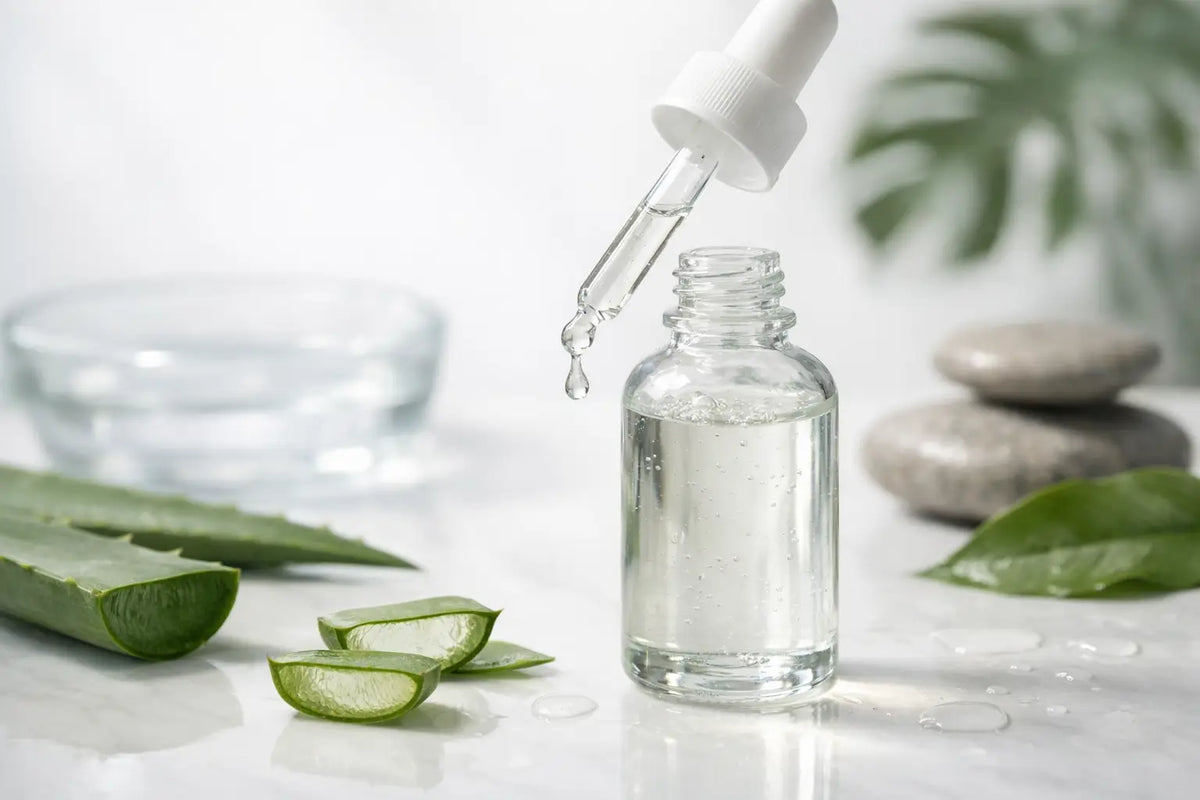
A breakout rarely starts as the red bump you see in the mirror. It begins inside the pore, where excess oil, dead skin cells, and debris create a plug that can become a blackhead, whitehead, or inflamed blemish. A 2 percent salicylic acid serum is designed to reach that source of congestion - not just dry out what has already surfaced.
For acne-prone skin, 2% is the concentration that matters. It delivers serious pore-clearing power, but the formula around it determines whether your skin looks clearer and more comfortable or gets trapped in the familiar burn-peel-breakout cycle.
What a 2 percent salicylic acid serum does
Salicylic acid is a beta hydroxy acid, or BHA. Unlike water-soluble exfoliants that work mainly at the surface, it is oil-soluble. That allows it to move through sebum and into the pore lining, where congestion begins.
A well-formulated 2 percent salicylic acid serum helps loosen the mix of oil and dead skin cells that makes pores look enlarged, rough, and crowded. With consistent use, it can help reduce blackheads, whiteheads, recurring blemishes, and the uneven texture that often remains after acne clears.
This is why salicylic acid is especially useful for oily or combination skin, stubborn T-zone congestion, body breakouts, and acne that seems to return in the same places. It does not simply treat a visible spot. It helps keep the pore from becoming the next breakout.
At 2%, salicylic acid sits at the upper end of the concentration commonly used in over-the-counter acne products. More is not automatically better. An overly aggressive formula can strip the surface, trigger tightness and flaking, and leave skin looking more irritated than clear. Effective acne care is not about punishing your skin. It is about treating the pore while protecting the barrier around it.
Why some salicylic acid routines fail
Many people blame salicylic acid when their skin becomes dry, shiny, or reactive. Often, the real issue is the routine built around it. A harsh cleanser, alcohol-heavy toner, exfoliating pads, spot treatment, scrub, and salicylic acid serum can become six forms of the same stressor.
The result is temporary smoothness followed by stinging, peeling, increased oiliness, and breakouts that feel impossible to control. That is not a sign that acne needs stronger punishment. It is a sign that your skin barrier needs a smarter plan.
A barrier under stress may hold less water, feel more sensitive, and struggle to tolerate the very ingredients meant to improve it. For persistent acne, the goal is steady correction: keep pores clear, support hydration, and avoid creating inflammation that makes marks and texture look worse.
The formula matters as much as the percentage
A label that says 2% salicylic acid tells you the acne-active concentration, but it does not tell you the whole story. Delivery system, pH, texture, supporting ingredients, and how the formula feels on skin all affect whether you can use it consistently.
The strongest routine is usually the one you can follow without fear of your face burning after application. Look for a lightweight serum that layers easily, does not leave a heavy film, and pairs pore-clearing action with ingredients that support a balanced-looking complexion.
That is the thinking behind XVesuvius: 2% salicylic acid paired with the proprietary Dermacetyl® complex, including antimicrobial peptides, retinol, honey, probiotic ferments, and Madagascar Dragon’s Blood. Rather than forcing you to stack a separate exfoliant, blemish treatment, texture serum, and recovery product, the formula is designed to address acne and visible skin renewal in one streamlined step.
There is a real trade-off here. Retinol can support smoother-looking texture and help with the visible aftermath of breakouts, but it can also increase sensitivity for some users, especially when skin is already over-exfoliated. A multi-active serum is not permission to add every other acid and retinoid in your cabinet. It is a reason to simplify.
How to use a 2 percent salicylic acid serum without overdoing it
Start on clean, dry skin. Apply a thin, even layer rather than using the serum only on individual blemishes. Acne develops beyond the spots you can see, so treating congestion-prone areas helps support prevention as well as correction.
If your skin is used to active ingredients and the formula is designed for regular use, twice-daily application may fit your routine. If you are new to salicylic acid, have dry or sensitive skin, or are returning after irritation, begin once daily or every other day. Give your skin a week or two to show you how it responds, then increase only if it stays comfortable.
Follow with a simple moisturizer when needed. In the morning, finish with broad-spectrum sunscreen. This is not optional when you are working on post-acne marks and uneven tone. UV exposure can make discoloration linger longer and can undermine the progress you are trying to see.
Avoid applying a 2 percent salicylic acid serum in the same routine as a scrub, strong peel, or multiple exfoliating acids unless a dermatologist has specifically guided that combination. If you use a separate prescription retinoid or benzoyl peroxide treatment, introduce products carefully instead of assuming every active belongs in one application.
A brief adjustment period can happen, particularly if clogged pores were already developing below the surface. But persistent burning, swelling, intense redness, or cracking is not a purge to push through. Pause the product and focus on recovery. If symptoms are severe or acne is painful and cystic, speak with a dermatologist.
What results should you expect?
A serum cannot erase a breakout overnight, and anyone promising that is selling a fantasy. What you can reasonably look for is a gradual change in how your skin behaves: fewer new clogged pores, less visible congestion, smoother texture, and blemishes that are easier to manage.
Some people notice a cleaner-looking feel within the first several days. More meaningful changes generally require consistent use across skin cycles. Give your routine several weeks before judging it, and take photos in the same lighting if you tend to assess your skin day to day. Progress is easier to spot when you stop letting one random blemish define the entire week.
Post-acne marks may take longer than active breakouts. Salicylic acid can help keep new congestion from adding to the problem, while supportive renewal ingredients and daily sunscreen can improve the conditions for a more even-looking complexion over time.
Is 2% right for every type of acne?
It depends on the pattern. A 2 percent salicylic acid serum is particularly well suited to blackheads, whiteheads, oily congestion, rough texture, and mild to moderate recurring breakouts. It can also be a valuable part of a plan for inflammatory acne because preventing clogged pores means fewer opportunities for blemishes to escalate.
Deep cystic acne, widespread painful lesions, scarring, or acne connected to hormonal shifts may need professional evaluation in addition to topical skincare. There is no failure in needing a dermatologist. Acne can have multiple drivers, and the best treatment plan is the one that addresses yours without damaging your skin in the process.
If you are pregnant, nursing, managing a skin condition, or using prescription acne medication, ask your healthcare professional before adding a serum with salicylic acid or retinol. Patch testing is also a smart first move, particularly if your skin has reacted to acids before.
Clearer skin should not come with a damage bill
The old acne routine asked you to choose: dry out the breakout or keep your skin comfortable. You do not have to accept that trade. The right 2 percent salicylic acid serum should work where acne begins, support a smoother surface, and fit into a routine simple enough to use consistently.
Give your skin focused treatment, not a crowded shelf of conflicting products. Consistency, restraint, and barrier-aware care are what turn a powerful active into visible, lasting progress.


Share:
How to Repair Skin Barrier After Acne Treatment
Serum for Stubborn Clogged Pores That Works