





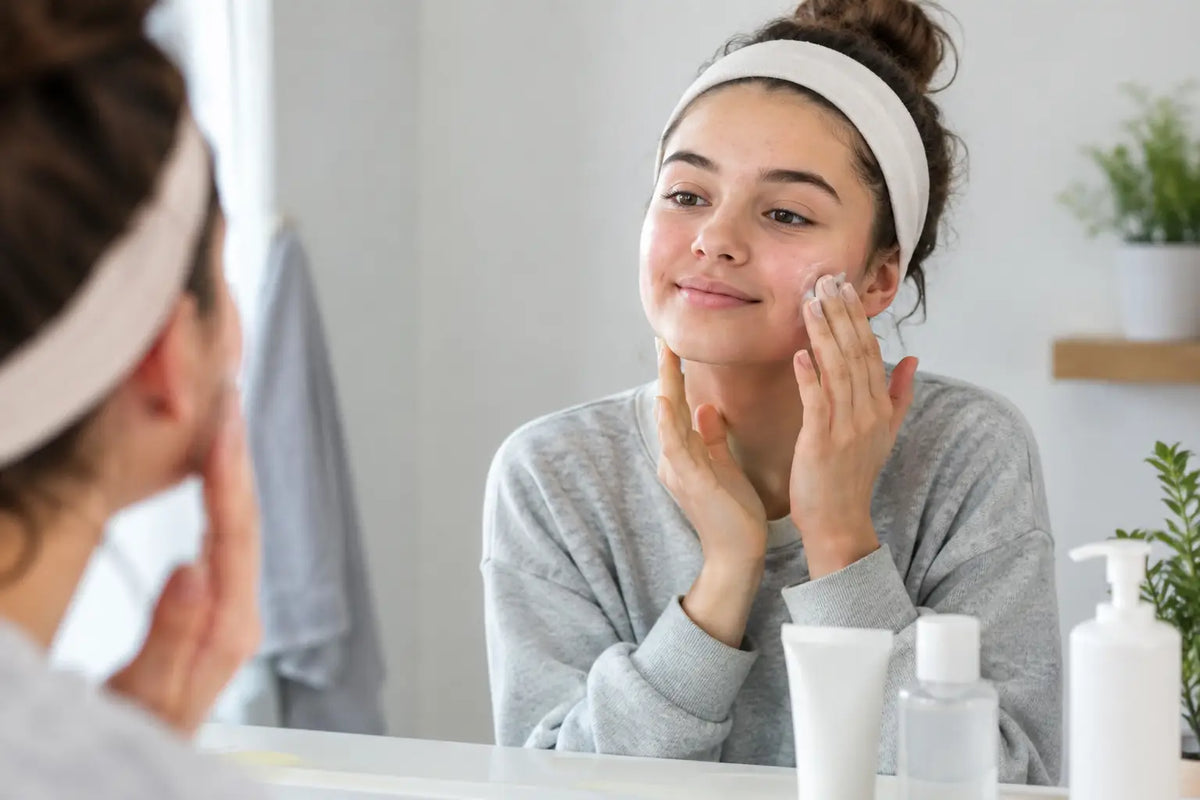
Treating teenage breakouts usually works best when the routine is simple enough to keep using. Acne treatment is rarely helped by a crowded bathroom counter, aggressive scrubbing, or changing products every time a new blemish appears. The useful goal is steadier skin over time: fewer clogged pores and blemishes, with a routine that does not leave skin feeling raw, tight, or constantly irritated.
For a parent, this can be difficult to watch. Breakouts can affect confidence, and the urge to find the fastest answer is understandable. But acne is not caused by poor hygiene, lack of effort, or a young person doing something wrong. It is a common skin condition shaped by oil, shedding skin cells, and pore blockage. A measured plan is usually more useful than chasing a dramatic overnight change.
Why Treating Teenage Breakouts Takes Consistency
A breakout begins before it is visible. Oil and skin cells can collect inside a pore, creating the conditions for a clogged pore or blemish to form. This is why only treating the spots that can already be seen may feel like a losing game. A routine needs to be used across the areas where breakouts tend to recur, not dabbed on only after a blemish appears.
Consistency does not mean adding more products. It means choosing a product with a clear purpose, using it as directed, and giving the skin time to settle into the routine. Frequent switches can make it hard to tell what is helping, while piling on treatments can leave skin dry and uncomfortable. When skin feels rough, stings, or flakes, people often stop using the routine altogether. Then the drawer fills with half-used bottles.
The practical trade-off is patience. Acne treatment can help clear existing blemishes and help prevent new ones, but it cannot promise that every breakout will stop appearing. Stress, menstrual cycles, sports equipment, hair products, and simple changes in routine can all coincide with a flare. The aim is progress that can be maintained, not a perfect face on a deadline.
Start With a Routine That Is Easy to Repeat
For many families, the best starting point is a gentle cleanse followed by one leave-on acne treatment used according to its Drug Facts directions. Avoid harsh washcloths, picking, and repeated exfoliation. Those habits can make visible redness and texture look worse, even when they seem like they should be helping.
A product with salicylic acid is designed to treat acne by helping clear pores. It is commonly used for blackheads, whiteheads, and acne blemishes. Skin can still need an adjustment period, particularly if it has already been through several drying routines. If irritation becomes persistent or uncomfortable, scale back based on the product directions or speak with a healthcare professional rather than trying to push through it.
Moisturizer also has a place in an acne routine when skin feels dry. Choosing one that feels comfortable and does not add another complicated treatment step can make daily use more realistic. Sunscreen matters as well, especially when visible post-blemish marks or uneven tone are a concern. Sun exposure can make those marks look more noticeable and last in appearance.
Keep the Rest of the Routine Quiet
The temptation to add a scrub, mask, peel, spot treatment, and toner is understandable. It is also where many routines become hard to tolerate. A person using an acne treatment does not need every product marketed for blemish-prone skin.
Keep hair products away from areas that break out easily when possible, especially around the forehead and hairline. Clean items that press against the skin, such as phone screens, helmet straps, and pillowcases, regularly. These are not cures, and they do not replace treatment. They are simply reasonable ways to reduce repeated friction and product buildup where breakouts tend to show up.
How to Choose an OTC Acne Product
Read the Drug Facts panel before focusing on the front label. For an over-the-counter acne product, the drug active ingredient tells you what is treating acne. Other ingredients may be included for how the formula feels on skin or for cosmetic benefits, but they are not additional drug actives.
XVesuvius is an OTC Acne solution and an FDA over-the-counter acne drug with one drug active ingredient: 2% salicylic acid. Its Dermacetyl complex contains encapsulated retinol, peptides, honey, ferments, and botanical extracts. This approach is intended to replace a fragmented multi-step acne routine with one product used twice daily, while also supporting skin that looks smoother and more even in appearance.
No over-the-counter product is the right answer for every person. A simple routine may be a sensible starting point for recurring clogged pores and everyday blemishes. It may not be enough when breakouts are painful, widespread, leaving scars, or causing significant distress. In those cases, a dermatologist or another qualified clinician can help assess what is happening and discuss options beyond nonprescription care.
What Parents Should Watch For
Parents do not need to police every inch of a young person’s skin or turn the bathroom into a treatment clinic. The more useful role is helping create a routine that feels manageable and noticing when acne is taking a larger emotional toll. Ask whether the products sting, whether they are being used regularly, and whether the routine has become overwhelming.
It is reasonable to seek professional care when breakouts are painful, leave scars, spread beyond the face, or affect school, social life, or self-esteem. A visit can also help when several carefully used nonprescription routines have not brought meaningful improvement. Seeing a clinician is not an overreaction, and it does not mean someone has failed at skin care.
For adults who still deal with recurring congestion and blemishes, the same principle applies. Acne does not become less real because it continues past the teen years. Adult skin may also be more concerned with dryness, visible texture, fine lines, and uneven-looking tone. A routine that treats acne while remaining comfortable enough for regular use is often more practical than rotating through harsh spot treatments.
Give the Routine Room to Work
A calmer routine can feel almost too simple after years of trying everything. That is often the point. Use the product as directed, avoid adding new treatments all at once, and pay attention to how skin feels as well as how it looks. Mild dryness can be manageable. Burning, marked peeling, swelling, or ongoing discomfort calls for stopping use and getting appropriate advice.
Treating breakouts is not about demanding perfection from skin. It is about finding a clear, repeatable approach that helps acne treatment stay part of real life, including rushed mornings, late practices, travel, and the days when the last thing anyone wants is another complicated step.


Share:
Simplify Acne Skincare Routine With Fewer Steps
Why Adult Breakouts Keep Coming Back