





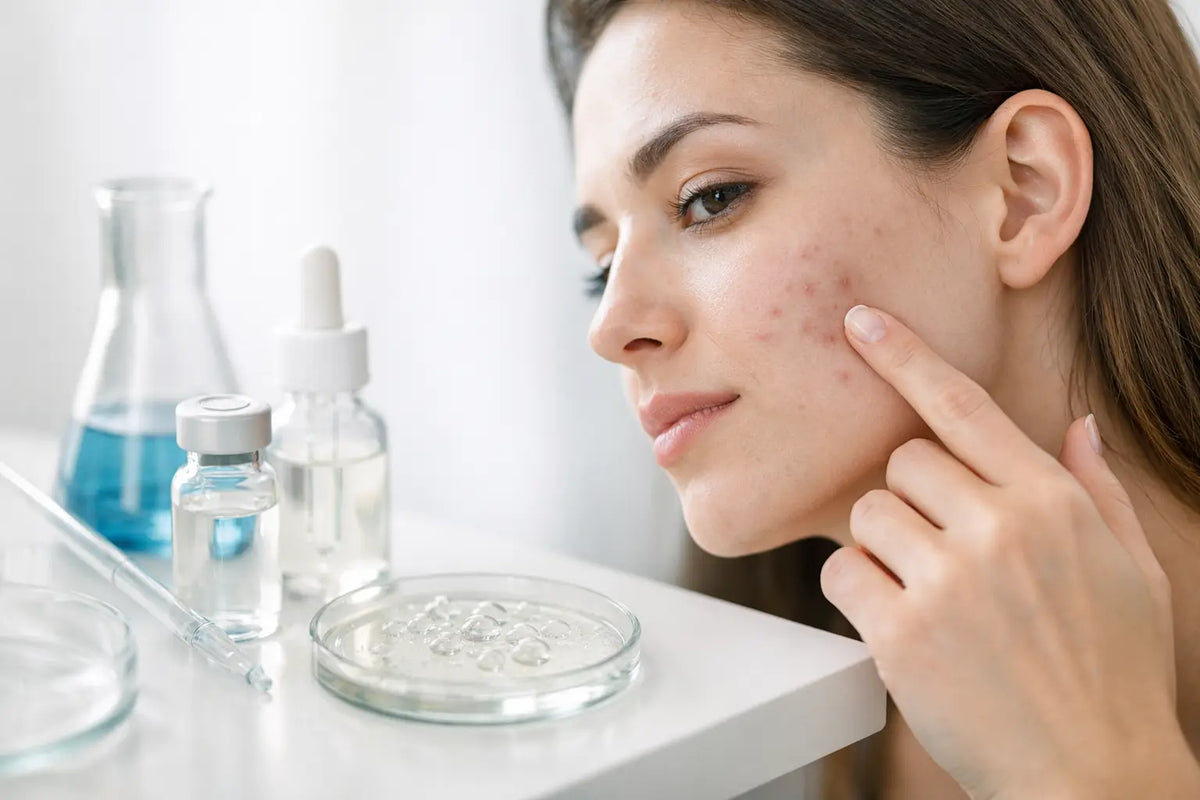
A breakout is not just a surface problem. Beneath the redness, clogged pores, and painful bumps is a chain reaction involving oil, dead skin cells, inflammation, and acne-associated bacteria. That is why antimicrobial peptides for acne are drawing attention. They are designed to help address bacteria at the source without relying on the harsh, barrier-stripping approach that leaves so many people stuck in the burn cycle.
For anyone who has used a strong acne treatment only to end up dry, flaky, and irritated, the appeal is clear: clearer-looking skin should not require collateral damage. Peptides are not a magic shortcut, and they do not replace proven ingredients such as salicylic acid. But in the right formula, they can be a smart part of a more complete acne strategy.
What are antimicrobial peptides?
Antimicrobial peptides are short chains of amino acids that can help defend against certain microbes. Your body naturally produces peptide defenses as part of its immune response. In skincare, selected peptides may be used to help create an environment that is less favorable for acne-associated bacteria on the skin.
Their potential advantage is their mode of action. Rather than working like a traditional antibiotic, some antimicrobial peptides may interact with bacterial membranes. This can make them a compelling area of skincare research, especially as consumers look for acne support that does not revolve around repeatedly drying out the skin.
That distinction matters. Acne is not caused by “dirty skin,” and scrubbing harder rarely solves it. Over-cleansing and overusing drying actives can disrupt the skin barrier, increase sensitivity, and make an already inflamed complexion look worse. A well-designed antimicrobial approach aims for control, not punishment.
How antimicrobial peptides for acne fit into treatment
Acne usually needs more than one mechanism of action. Bacteria are one piece of the problem, but congestion, excess oil, inflammation, and slowed cell turnover also play major roles. This is where peptide technology makes the most sense: as part of a formula that treats multiple breakout triggers at once.
Salicylic acid is especially useful for acne-prone skin because it is oil-soluble and works inside the pore to help clear buildup. Retinol can support smoother-looking texture and more regular cell turnover over time. Soothing and barrier-minded ingredients can help make a corrective routine easier to stay consistent with.
Consistency is not a minor detail. The best acne treatment is not the strongest product you can tolerate for three days. It is the formula you can use as directed long enough to see meaningful change. If a routine constantly stings, peels, or leaves your skin tight, it becomes harder to maintain - and harder to judge what is actually working.
What peptides can and cannot do for breakouts
Antimicrobial peptides may help support clearer-looking skin by targeting one acne-related factor: the microbial imbalance that can contribute to inflammation. They may be particularly appealing for people dealing with recurring blemishes, persistent congestion, or skin that reacts badly to aggressive routines.
But peptides alone cannot reliably handle every form of acne. Deep cystic acne, widespread painful nodules, scarring acne, or breakouts connected to hormonal shifts may require prescription care from a dermatologist. A topical serum can be an effective daily tool, but it is not a substitute for medical evaluation when acne is severe, painful, or leaving scars.
Results also depend on the formula, concentration, delivery system, and the rest of your routine. A peptide mentioned on an ingredient list is not automatically a reason to expect dramatic results. Look at the full treatment system. Does it help unclog pores? Does it support renewal? Is it designed to respect the barrier instead of pushing skin into visible irritation?
Why barrier support changes the acne conversation
For years, acne care has been sold as a harsh trade: dry out the pimple now and deal with the redness later. That approach can feel satisfying in the moment because sting and tightness seem like proof that a product is working. They are not.
Irritation can make skin look more inflamed, worsen uneven texture, and complicate the appearance of post-acne marks. A compromised barrier also tends to feel less comfortable, which can lead people to stop treatment, switch products too often, or layer on heavy products that do not suit their pores.
The goal is Maximum Clear Skin, Without the Damage. That means choosing acne ingredients with a purpose, then pairing them with components that help skin remain balanced and hydrated enough for regular use. Antimicrobial peptides can support that modern approach because they focus on bacterial management without making “strip everything away” the entire strategy.
A simpler routine for acne-prone skin
If your bathroom shelf is full of spot treatments, exfoliating pads, pore strips, and separate products for marks, dryness, and texture, your routine may be working against you. More steps can mean more irritation and more opportunities to combine active ingredients poorly.
A streamlined routine is easier to follow and easier to troubleshoot. Start with a gentle cleanser. Apply one comprehensive leave-on acne treatment according to its directions. In the morning, finish with a broad-spectrum sunscreen. At night, use a moisturizer if your skin needs additional comfort.
XVolcano's XVesuvius was built around this all-in-one thinking. Its 2% salicylic acid works to clear pore congestion while the proprietary Dermacetyl® complex combines antimicrobial peptides with retinol, honey, probiotic ferments, and Madagascar Dragon's Blood. The goal is direct: fight breakouts at the source while supporting smoother texture, more even-looking skin, and a healthier-feeling barrier.
How to use an antimicrobial peptide acne treatment
Follow the product directions first, especially when a formula also contains salicylic acid or retinol. These ingredients are highly effective, but your skin may need time to adjust. Apply a thin, even layer rather than using extra product on every blemish. More is not always better, particularly when you are introducing active skincare.
If you are sensitive or new to leave-on acne treatments, begin gradually if the directions allow. Avoid stacking multiple exfoliating acids, scrubs, or strong retinoids in the same routine unless a dermatologist has advised you to do so. Give your skin a stable routine for several weeks before deciding whether it is working.
Daily sunscreen is non-negotiable. Acne itself can leave visible marks, and sun exposure can make discoloration appear more persistent. Sun protection also matters when using exfoliating or renewal-focused ingredients.
What to expect and when to get help
Some people see a reduction in surface congestion and fewer new blemishes within a few weeks, while deeper acne can take longer to improve. Texture and post-acne marks typically require patience because skin renewal is gradual. Take photos in consistent lighting every two to four weeks instead of judging your skin hour by hour.
Stop using a product and seek medical advice if you experience swelling, hives, severe burning, blistering, or a rash. If you are pregnant, breastfeeding, taking prescription acne medication, or managing a skin condition such as eczema or rosacea, ask a healthcare professional before adding a retinol-containing treatment.
Clearer skin does not come from declaring war on your face. It comes from a routine that targets acne intelligently, protects the barrier, and gives your skin enough consistency to change.


Share:
Probiotics for Acne Prone Skin That Support Clearer Skin
Honey for Acne: Does It Actually Clear Breakouts?