





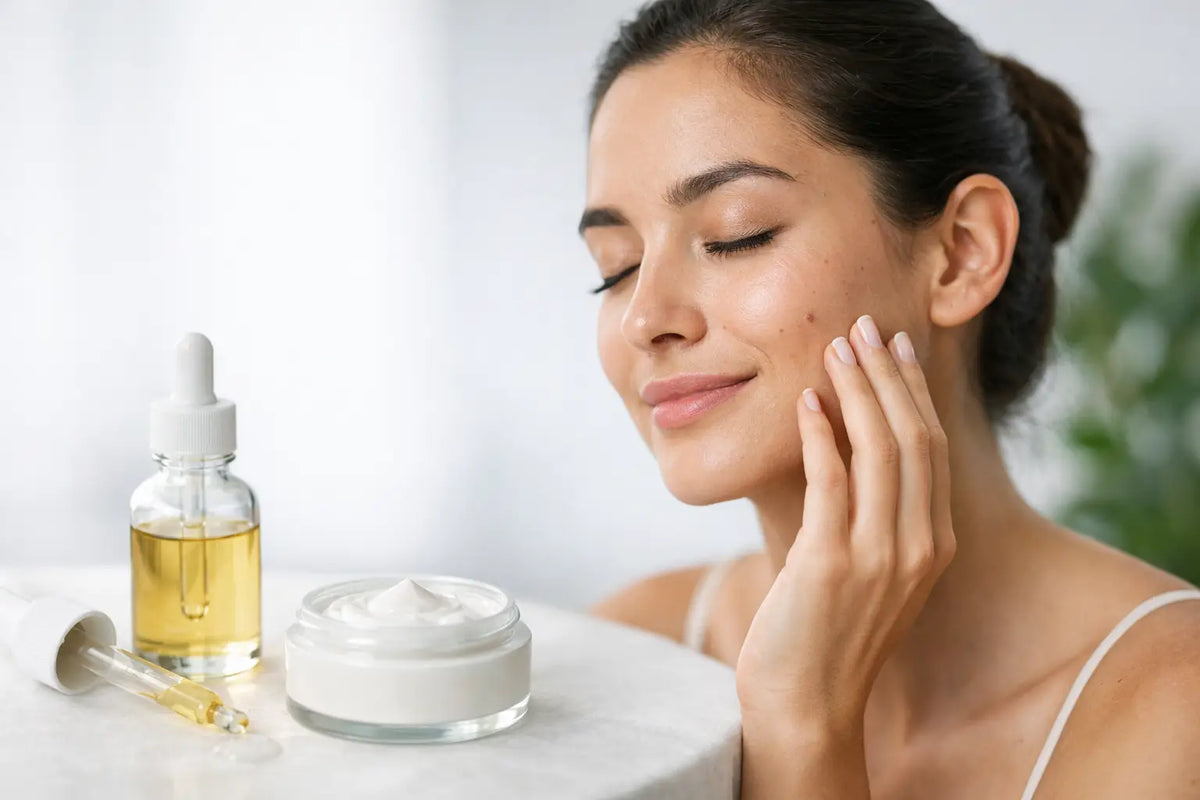
A breakout can be gone in a week, yet the congestion, rough texture, and dark post-acne marks can keep your skin looking unsettled for months. That is why retinol for acne prone skin deserves more than a spot in an anti-aging routine. Used correctly, it helps address the cycle behind recurring blemishes while improving the visible aftermath - without signing up for another harsh, peeling treatment plan.
The catch is that retinol is powerful. Start too fast, combine it with every active in your cabinet, or ignore a weakened barrier, and the result may be more redness, flaking, and breakouts that feel impossible to read. The goal is not to push your skin until it burns. The goal is clearer, smoother skin that can stay clear.
Why Retinol for Acne Prone Skin Works
Retinol is a vitamin A derivative that supports faster, more orderly skin cell turnover. Acne often begins when dead skin cells and oil collect inside a pore. That buildup can turn into blackheads, whiteheads, inflamed blemishes, or deeper congestion. By helping prevent dead cells from lingering at the pore opening, retinol can make clogged pores less likely to form.
This is why retinol does more than chase one visible pimple. It supports prevention. With consistent use, it can also improve uneven texture, soften the look of post-acne marks, and help skin appear firmer and more refined. For people who are tired of choosing between acne treatment and skin renewal, that dual action matters.
Retinol is not the same as prescription retinoic acid, and it is not an overnight fix. Prescription retinoids are generally more potent and may be the right next step for severe, scarring, or persistent cystic acne under a clinician's care. But a well-formulated retinol can be a valuable option for recurring congestion, texture concerns, and early visible signs of skin aging.
The Burn Cycle Is Not Proof It Is Working
Acne treatment has trained too many people to accept stinging, tightness, peeling, and raw patches as the cost of clear skin. That is not a strategy. It is a burn cycle: skin becomes irritated, the barrier struggles, inflammation rises, and every product suddenly feels like too much.
Retinol can cause an adjustment period, particularly if your skin is new to retinoids. Mild dryness or light flaking can happen during the first several weeks. But persistent burning, painful cracking, swelling, or widespread redness is a signal to stop and reassess. More irritation does not mean more results.
Barrier health matters because a compromised barrier loses water more easily and becomes more reactive. For acne-prone skin, that can create a frustrating loop: you use stronger products to control breakouts, your skin gets dry and inflamed, then you layer on more products to recover. A smarter routine pairs corrective ingredients with ingredients that support hydration and calm.
Retinol and Salicylic Acid: Stronger Together, With Limits
Salicylic acid and retinol are often discussed as if you must choose one. In reality, they work differently. Salicylic acid is oil-soluble, so it can move into the pore lining and help loosen the oil and debris that contribute to congestion. Retinol supports the skin's turnover process over time. One helps clear the path; the other helps keep the pore from becoming crowded again.
That combination can be highly effective, but it also raises the risk of irritation when products are layered without a plan. If you are using separate formulas, introduce one active first. Once your skin is comfortable, add the other on alternate nights or at a lower frequency. Do not stack a retinol, exfoliating toner, scrub, strong mask, and benzoyl peroxide in the same routine simply because each product promises clearer skin.
A streamlined formula can make this easier. XVolcano XVesuvius combines 2% salicylic acid with its Dermacetyl® complex, including retinol, antimicrobial peptides, honey, probiotic ferments, and Madagascar Dragon's Blood, to target active acne, congestion, and the visible signs acne leaves behind in one treatment step. The point is not to collect more actives. It is to use the right ones with less routine friction and less opportunity to overdo it.
How to Start Retinol Without Derailing Your Skin
Your starting point should match your skin, not someone else's before-and-after timeline. If you are new to retinol, begin at night two or three times a week after cleansing. Apply a thin, even layer to fully dry skin, then follow with a simple moisturizer if needed. Damp skin can increase penetration and make irritation more likely.
After two to three weeks, increase only if your skin feels comfortable. A little patience now is far more productive than a hard reset later. If your formula is designed for more frequent use, follow its directions, but still pay attention to what your skin is telling you.
Keep the rest of the routine intentionally boring at first. Use a gentle cleanser, a non-comedogenic moisturizer, and broad-spectrum SPF 30 or higher every morning. Retinol can make skin more sensitive to sunlight, and unprotected exposure can make post-acne marks appear darker and linger longer. Sunscreen is not an optional add-on when you are working on discoloration and texture.
Avoid using abrasive scrubs, strong at-home peels, or alcohol-heavy astringents while your skin is adjusting. If you use benzoyl peroxide, ask a dermatologist or pharmacist how to schedule it with your retinol product. Some pairings are appropriate, but piling them on at once is a common reason routines become painful instead of effective.
What About Purging?
A true retinoid purge is temporary and tends to show up in areas where you already get clogged pores. It may look like a short-term increase in small pimples or congestion as existing microclogs come to the surface. It should not mean sudden breakouts in completely new areas, severe itchiness, or a rash-like reaction.
If your skin worsens steadily beyond roughly six to eight weeks, or you are dealing with painful cystic acne, contact a dermatologist. Acne has multiple drivers, including hormones, genetics, medication, and inflammation. Retinol can be part of a strong plan, but it cannot solve every cause alone.
Who Should Be Extra Careful With Retinol?
Skip retinol and speak with your healthcare provider if you are pregnant, trying to conceive, or breastfeeding. If you have eczema, rosacea, an active skin infection, or a history of significant reactions to retinoids, get individualized guidance before starting. The same applies if you are already using prescription acne medication.
For everyone else, patch testing is a practical first move. Apply a small amount to a discreet area for several days and watch for itching, swelling, or persistent irritation. It is a small step that can spare your face a major setback.
Clearer Skin Should Not Require a Punishing Routine
The best retinol routine is the one you can keep using. It should make sense on busy mornings, after late nights, and during the weeks when your skin feels unpredictable. That means fewer overlapping treatments, consistent sunscreen, and enough hydration to keep your barrier functioning while you target the source of congestion.
Give retinol time. Many people notice smoother-feeling skin first, while clearer pores and more even-looking marks often take eight to twelve weeks of consistent use. Stay steady, adjust when irritation appears, and let your routine work with your skin instead of declaring war on it.


Share:
Can Salicylic Acid Cause Peeling? What to Do
Probiotics for Acne Prone Skin That Support Clearer Skin